Innovation Project Builds Cross‑Sector Value Chain from Textile Waste to Household Products
The fashion industry’s textile waste crisis is fast becoming a material innovation opportunity. Fashion2House Step 2, a new research project led by RISE with brands including Electrolux, H&M Home and Lumine North, is now building a full value chain to turn that opportunity into real products.
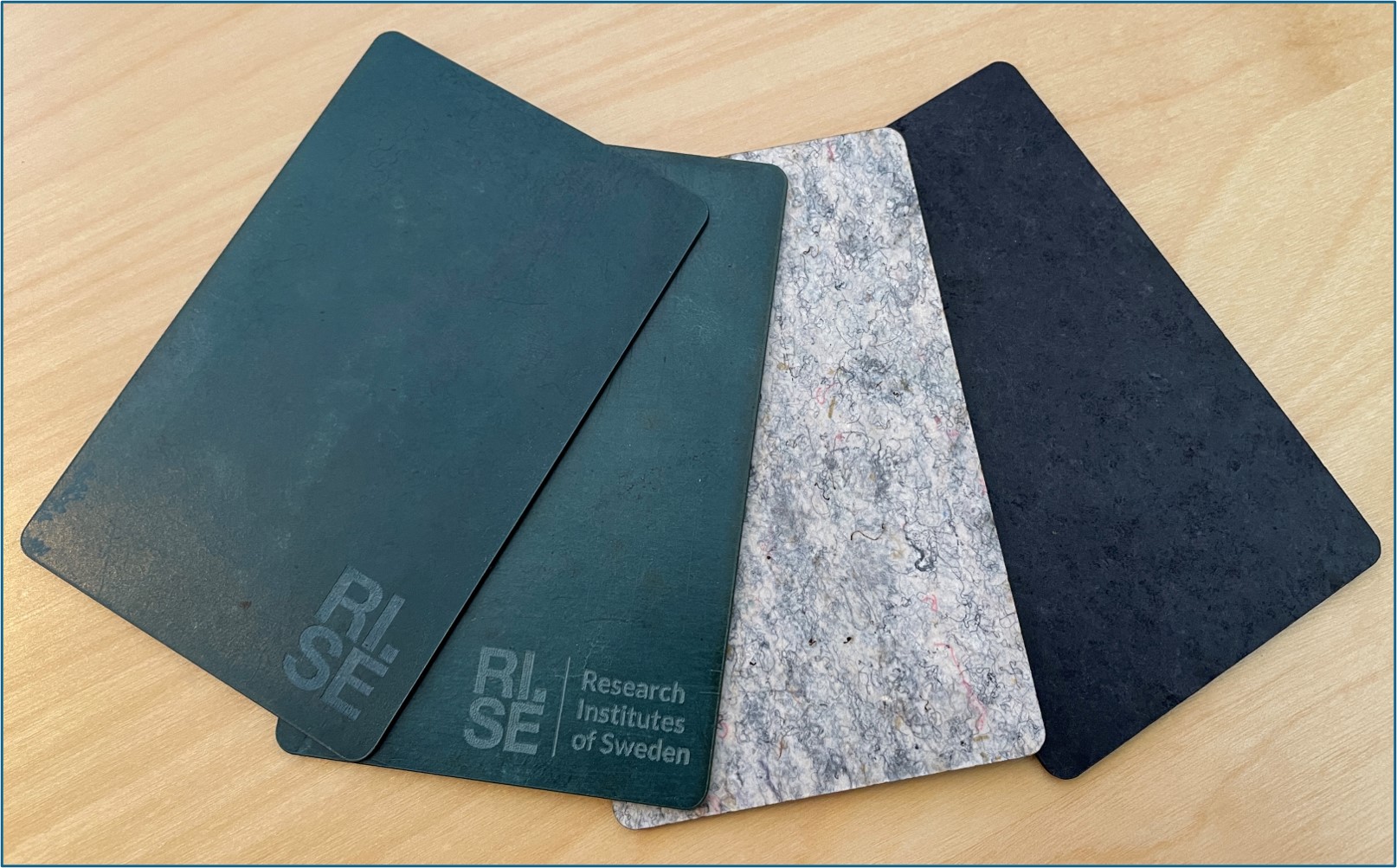
Fashion2House Step 2 applies established unit operations in a new configuration to transform post-consumer polycotton textiles into durable, plastic-like components for household products. Building on demonstrated mechanical performance comparable to glass fiber-reinforced polypropylene, the project advances toward pilot-scale implementation, expands to more complex textile blends such as elastane-containing waste, and develops product prototypes to validate real-world applications.
“By connecting the fashion and household sectors, we are creating a completely new value chain where one industry’s waste becomes another industry’s resource,” says Abhilash Sugunan, senior researcher at RISE and project lead. “If we succeed, there will be a concrete, scalable option to increase recycled content in products while also solving part of the growing textile waste challenge.”
Each partner plays a distinct role in bringing this cross-sector value chain to life. Wargön Innovation will lead work on sorting and pre-processing, supplying and preparing post-consumer textile feedstock and defining quality limits for impurities and color variation. The Loop Factory and RISE will run pilot-scale lines for fiber opening, nonwoven formation and compression molding, translating the lab process into industrially relevant production. H&M Home and Electrolux will define product requirements, co-design prototypes and validate their performance in realistic use cases, while Lumine North explores applications in sustainable lighting products.
The project will deliver at least four minimum viable prototypes, including appliance casings, interior components, homeware and lighting parts, tested for mechanical performance, durability, safety and aesthetics. A prospective life cycle assessment targets around a 50% reduction in carbon footprint compared with conventional fossil-based plastics, by substituting virgin material and avoiding incineration of textiles. Additional deliverables include a techno-economic feasibility study and a roadmap for scaling from pilot to continuous production, paving the way for broader industrial uptake.
Fashion2House Step 2 is funded under Vinnova’s Impact Innovation call “System demonstrators for the sustainable manufacturing industries of the future – step 2” and runs from November 2025 to November 2027. The project is coordinated by RISE Research Institutes of Sweden and brings together H&M Group, Electrolux Group, Lumine North, The Loop Factory and Wargön Innovation.